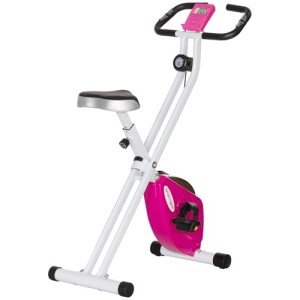
Pedal Your Way to Fitness: The Benefits of Having an Exercise Cycle at Home
In today's hectic world, maintaining a healthy lifestyle can frequently seem like a herculean job. Gym subscriptions, commute times, and unforeseeable schedules can all conspire to thwart even the most well-intentioned fitness strategies. However, the convenience and effectiveness of home workouts are increasingly recognized, and among the most popular pieces of home fitness equipment is the exercise cycle. Bringing an exercise cycle into your home transforms a corner of your living area into a personal fitness sanctuary, providing a readily available opportunity to improve cardiovascular health, handle weight, and improve total well-being.
An exercise cycle, also called a stationary bicycle, provides a low-impact, yet highly reliable, workout that accommodates individuals of all fitness levels. From skilled athletes searching for cross-training alternatives to newbies taking their initial steps towards a much healthier way of life, the exercise cycle provides a versatile and user-friendly method to fitness. This article will explore the engaging benefits of integrating an exercise cycle into your home fitness regimen, check out the different types offered, and guide you on how to select, make use of, and maintain this valuable tool.
The Myriad Benefits of Exercising at Home with a Cycle
The appeal of having an exercise cycle at home extends far beyond simple convenience. It's a gateway to a multitude of health and way of life advantages that can significantly impact your overall lifestyle. Here are some key benefits:
1. Cardiovascular Health Enhancement:
Regular cycling, whether outdoors or on a stationary bicycle, is renowned for its positive impact on cardiovascular health. Exercise cycles offer an exceptional aerobic workout that reinforces the heart muscle, enhances blood flow, and reduces high blood pressure. Consistent cycling assists to increase your 'good' cholesterol (HDL) and decrease 'bad' cholesterol (LDL), adding to a healthier cardiovascular system and lowering the risk of heart illness, stroke, and other related conditions.
2. Reliable Weight Management:
If weight loss or weight maintenance is a goal, an exercise cycle is a powerful ally. Cycling is a calorie-burning activity that can be easily included into day-to-day routines. The strength of your workout can be gotten used to match your fitness level and goals, enabling you to burn a considerable number of calories in each session. Combined with a well balanced diet, regular cycling in the house can contribute significantly to accomplishing and maintaining a healthy weight.
3. Low-Impact Workout-- Gentle on the Joints:
Unlike high-impact workouts like running or jumping, cycling is a low-impact activity. This means it places very little stress on your joints-- especially knees, ankles, and hips. This makes exercise cycles perfect for individuals of any ages, including those recovering from injuries, handling joint pain, or trying to find a gentler form of exercise. It's a fantastic option for seniors or individuals with conditions like arthritis who still wish to stay active and enhance their fitness levels.
4. Unparalleled Convenience and Accessibility:
One of the most compelling advantages of a home exercise cycle is its sheer convenience. No more gym commutes, weather-dependent workouts, or concerns about opening hours. Your fitness equipment is right there, prepared whenever you are. Whether you have an extra 15 minutes before work, wish to unwind after a long day, or choose to exercise while catching up on your favorite television program, the ease of access of a home exercise cycle flawlessly integrates fitness into your life.
5. Psychological Well-being Booster:
Physical activity is fundamentally connected to enhanced psychological health, and cycling is no exception. Exercise releases endorphins, natural mood boosters that can relieve stress, minimize anxiety, and battle feelings of depression. Routine cycling sessions at home can provide a much-needed psychological escape, allowing you to clear your head, lower tension, and improve your general sense of wellness.
6. Trackable Progress and Motivation:
Many contemporary exercise cycles come geared up with consoles that track crucial workout metrics like time, range, speed, calories burned, and heart rate. This information provides important insights into your progress, permitting you to keep track of improvements, set sensible goals, and stay encouraged. Seeing tangible proof of your efforts can be exceptionally encouraging and keep you dedicated to your fitness journey.
Browsing the Types of Exercise Cycles for Home Use
The market provides a variety of exercise cycle types, each with its own distinct features and benefits. Understanding these distinctions is vital for selecting the right cycle that aligns with your fitness needs and home environment.
Here are some common kinds of exercise cycles suitable for home usage:
- Upright Bikes: Resembling conventional outdoor bicycles, upright bikes offer a more extreme cardiovascular workout. They engage your core muscles and promote a more upright posture, imitating the sensation of road cycling. Upright bikes are generally more compact, making them suitable for smaller spaces.
- Recumbent Bikes: These bikes include a reclined seat with back support and pedals positioned in front of the body. Recumbent bikes supply exceptional back assistance and distribute weight more evenly, making them particularly comfy for people with back problems or joint pain. They provide a less difficult workout than upright bikes and are perfect for longer, less extreme sessions.
- Spin Bikes (Indoor Cycling Bikes): Designed to replicate the experience of high-intensity studio cycling classes, spin bikes are defined by their much heavier flywheels and adjustable resistance levels. They permit for a vast array of workout strengths and are exceptional for developing cardiovascular endurance and strength. Spin bikes frequently include a more forward-leaning posture, engaging core and leg muscles intensely.
- Dual-Action Bikes (Air Bikes): These bikes integrate cycling with upper body motion through moving handlebars. Dual-action bikes offer a full-body workout, engaging both upper and lower body muscles simultaneously. They are frequently fan-resistance based, indicating the resistance increases as you pedal and push harder, offering tough and vibrant workouts.
Choosing the Right Exercise Cycle for Your Home
Selecting the best exercise cycle for your home includes thinking about numerous essential factors to guarantee it satisfies your needs, fits your area, and remains a valuable asset in your fitness journey.
Consider these elements when making your choice:
- Available Space: Assess the area you have offered at home. Upright bikes are normally the most compact, while recumbent and dual-action bikes tend to require more flooring space. Measure your designated workout location to make sure the cycle you pick will fit conveniently.
- Budget: Exercise cycles range in cost considerably, from standard designs to high-end, feature-rich bikes. Determine your budget beforehand and explore choices within that cost variety. Keep in mind that buying a greater quality cycle, even if it costs a little more initially, may provide much better toughness and functions in the long run.
- Fitness Goals: What are you intending to achieve with your exercise cycle? For intense cardio exercises and calorie burning, spin bikes or upright bikes may be perfect. If you prioritize comfort and low-impact exercise, a recumbent bike could be a better choice. If you want a full-body workout, consider a dual-action bike.
- Comfort and Ergonomics: Comfort is paramount for consistent exercises. Consider elements like seat adjustability, handlebar position, and general bike ergonomics. If possible, try different types of cycles before purchasing to evaluate comfort levels, specifically if you have particular physical requirements or restrictions.
- Functions and Technology: Modern exercise cycles often include a variety of features, including resistance levels, pre-programmed exercises, heart rate monitoring, and connection with fitness apps. Consider which features are necessary to you. Do you require sophisticated tracking metrics, or are standard functions adequate?
Setting Up and Using Your Exercise Cycle Effectively
When you've picked your exercise cycle, proper setup and use are important to maximize its advantages and ensure safety.
Here are some guidelines:
- Assembly: Carefully follow the manufacturer's guidelines for assembling your exercise cycle. Guarantee all parts are safely tightened up and the bike is stable before usage.
- Correct Posture and Form: Maintain good posture while cycling. Sit upright with a minor bend in your elbows and knees. Avoid slouching or leaning too far forward. Proper type lowers the threat of injury and ensures efficient muscle engagement.
- Workout Routines: Start with shorter workout sessions and slowly increase duration and strength as your fitness enhances. Incorporate range into your regimens by changing resistance levels, integrating interval training, or following pre-programmed exercises if your cycle offers them.
- Safety First: Always heat up before each workout and cool down afterward. Stay hydrated by drinking water in the past, throughout, and after cycling. Listen to your body and stop if you experience any pain or discomfort.
Maintaining Your Home Exercise Cycle
Regular maintenance ensures your exercise cycle remains in excellent working order, lengthens its life-span, and assurances safe workouts.
Simple maintenance steps consist of:
- Regular Cleaning: Wipe down your cycle after each use with a wet fabric to get rid of sweat and dust. Occasionally Exercise Bike Sale UK and other electronic elements according to the manufacturer's directions.
- Lubrication: Refer to the user handbook for assistance on lubricating moving parts like pedals and joints. Appropriate lubrication guarantees smooth operation and prevents squeaking or tightness.
- Examining for Loose Parts: Regularly examine your cycle for any loose bolts, screws, or parts. Tighten them as needed to preserve stability and security.
Regularly Asked Questions (FAQs) about Home Exercise Cycles
Q: What are the main benefits of utilizing an exercise cycle in your home?
A: Home exercise cycles use cardiovascular health enhancement, effective weight management, low-impact workouts, convenience, psychological well-being enhancement, and trackable progress.
Q: What kind of exercise cycle is best for newbies?
A: Recumbent bikes are frequently advised for newbies due to their convenience and back support. Upright bikes are likewise easy to use, while spin bikes may be more tough at first.
Q: How frequently should I utilize my exercise cycle in your home?
A: Aim for a minimum of 3-5 sessions each week, with each session long lasting 30-60 minutes, depending upon your fitness goals and schedule. Consistency is key.
Q: How long should a workout session be on an exercise cycle?
A: Workout duration depends upon your fitness level and objectives. Beginners can start with 20-30 minutes and gradually increase to 45-60 minutes or longer as they advance.
Q: Do exercise cycles effectively help with weight-loss?
A: Yes, regular exercise cycle workouts are effective for burning calories and can contribute significantly to weight-loss when integrated with a healthy diet.
Q: Are exercise cycles loud?
A: Most modern exercise cycles are designed to be relatively peaceful, particularly magnetic resistance models. Nevertheless, fan-resistance bikes might produce some wind sound.
Q: Where is the very best location to put an exercise cycle in the house?
A: Choose a well-ventilated location with adequate area around the cycle for comfy usage. A place near a window or tv can make workouts more enjoyable.
Q: How do I maintain my exercise cycle at home?
A: Regular maintenance includes cleaning after each use, lubing moving parts as required, and regularly examining for loose parts and tightening them. Speak with the user manual for particular maintenance directions.
An exercise cycle at home is more than simply a piece of fitness equipment; it's a financial investment in your health, well-being, and benefit. Whether you are looking for to increase your cardiovascular fitness, handle your weight, or simply incorporate more exercise into your daily routine, an exercise cycle provides a versatile, available, and efficient option. By understanding the advantages, exploring the various types readily available, and following proper usage and maintenance guidelines, you can pedal your method to a much healthier and better lifestyle from the comfort and convenience of your own home. Welcome the ease and effectiveness of home cycling and experience the extensive favorable impact it can have on your total wellness.